TRIBE Trauma Informed Care
Big Feelings, Big Behaviours
“Helping Children Build Emotional Regulation That Lasts”
When a child experiences a big emotion, we often see a big behaviour alongside it.
Shouting. Hitting. Throwing things. Running away. Shutting down. Refusing. Crying. Saying things they later regret.
In those moments, it can feel as though everything you have tried to teach them has disappeared. You might feel you have tried everything, but nothing lasts and when those big moments arrive, they still can't seem to use appropriate coping strategies.
For parents and carers, this can leave you wondering:
- Will they ever learn to manage these emotions independently?
- How do I teach regulation when they're calm?
- Should I give them space or stay close?
- How do I help without making things worse?
- Why do they go from 0 to 100 so quickly?
- Why do seemingly small things lead to such enormous reactions?
The truth is, emotional regulation is a skill that children need to learn – especially care experienced children whose previous adverse experiences will have likely impacted their emotional development. Their emotions can become intense before they have had time to recognise what is happening, communicate what they need or access the skills adults are asking them to use.
So rather than only asking:
“How do we stop the behaviour?”
We also need to ask:
“What does this child need to learn so they can manage these moments differently in the future?”


What Does Big Feelings, Big Behaviours
Include?
Big Feelings, Big Behaviours
When children struggle with emotional regulation, it can be tempting to focus on what to do during the meltdown. But lasting emotional regulation starts long before the crisis point.
In this Deep Dive, we'll explore what emotional regulation actually involves, why it can be particularly difficult for children who have experienced trauma and how parents and carers can support children to gradually develop the skills they need.
We'll move beyond simply giving children a list of “calming strategies” and expecting them to use them when they're overwhelmed.
Instead, we'll look at the individual skills that sit underneath regulation - from recognising emotions and noticing early signs of escalation to communicating needs, tolerating difficult feelings and finding strategies that genuinely work for that child.
Most importantly, we'll explore how we move from:
Adult regulation → Co-regulation → Supported regulation → Independent regulation.
Because the goal isn't for children to depend on adults forever. It's to give them the experiences, support and skills they need to gradually manage more for themselves.
November 18th
10.30 am to Midday
Can't attend in person - No Problem watch the replay!
November 18th
10.30 am to Midday
Can't attend in person - No Problem watch the replay!
In This Deep Dive, We'll Cover:
- Practical ways to build emotional regulation that children can use now and in the future.
- Teaching regulation skills when children are calm and available for learning.
- Helping children identify and communicate what they need.
- Understanding the difference between co-regulation and self-regulation.
- Looking beneath big behaviours to understand what may be happening for the child.
- Understanding what happens when a child becomes emotionally overwhelmed.
- How trauma can influence the development of emotional regulation.
- What emotional regulation actually means - and what it doesn't.
What You’ll Get:
- 🎥 Access to the Live Online Deep Dive with Luke on November 18th at 10:30pm.
- 🔑 Unlimited access to the recording afterwards through the TRIBE Online Portal, so you can revisit the strategies whenever you need them.
- 📑 Downloadable charts, guides, and practical resources shared during the session, ready to use at home with your child.
- 🛠️ Step-by-step tools and strategies you can put into practice the very next morning.

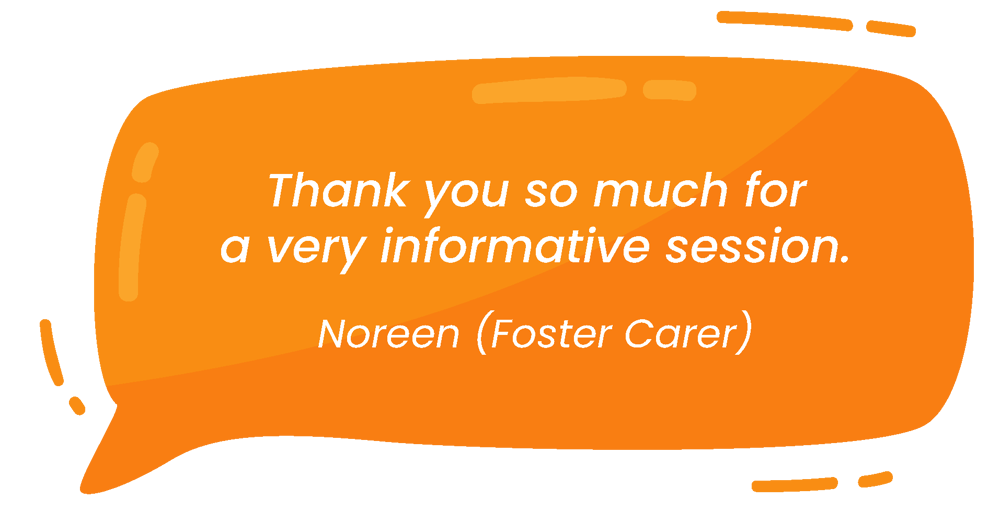
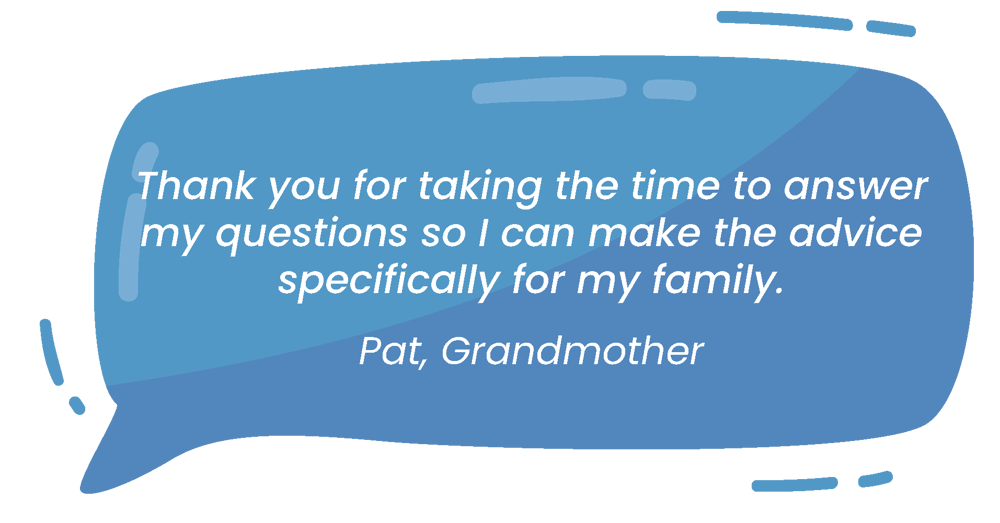
Feedback From Our Deep Dives
Book Onto Big Feelings, Big Behaviours
Book Your Place
Join us for Big Feelings, Big Behaviours: Helping Children Build Emotional Regulation That Lasts and discover how to move beyond simply managing emotional outbursts towards helping children develop the skills they need for the future.
👉 Secure your place and discover practical ways to help children build emotional regulation that lasts.


What You Get
- 🎥 Access to the Live Online Deep Dive with Luke on November 18th at 10:30 Midday.
- 🔑 Unlimited access to the recording afterwards through the TRIBE Online Portal — so you can revisit the strategies whenever you need them.
- 📑 Downloadable charts, guides, and practical resources shared during the session, ready to use at home with your child.
- 🛠️ Step-by-step tools and strategies you can put into practice the very next morning.
We Look Forward To Seeing You There

Book Me A Place & Access To The Recording!

Order
Items
Summary